Project Logo Creation Workshop
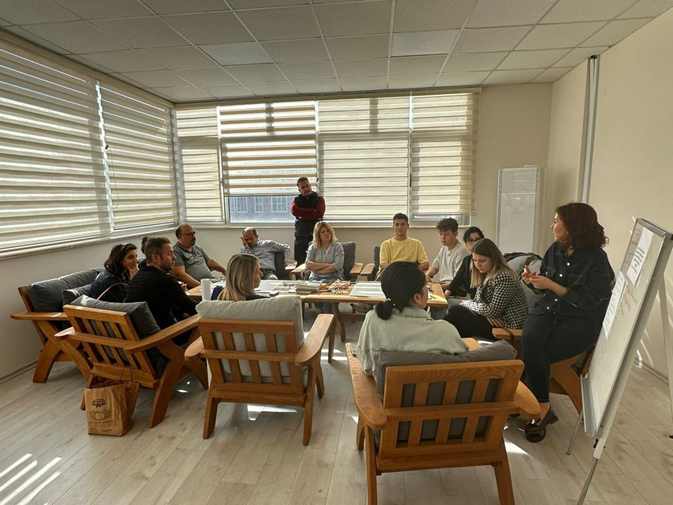
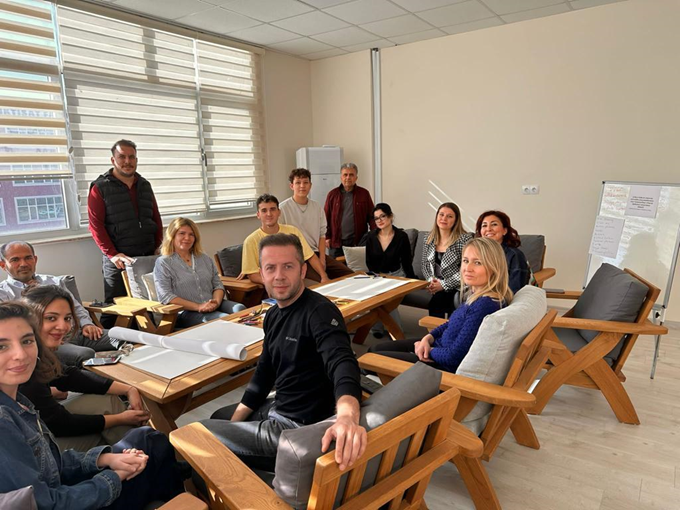
On November 9, 2022, at Aydın Adnan Menderes University Faculty of Education, researchers in the project team, volunteer undergraduate and graduate students in the Department of Psychological Counseling and Guidance, and volunteer administrative staff working in our faculty came together. We worked on the project's logo design. In the workshop, family strengthening and family resilience were shared.
Co-production Approach to Family Resilience: Workshop
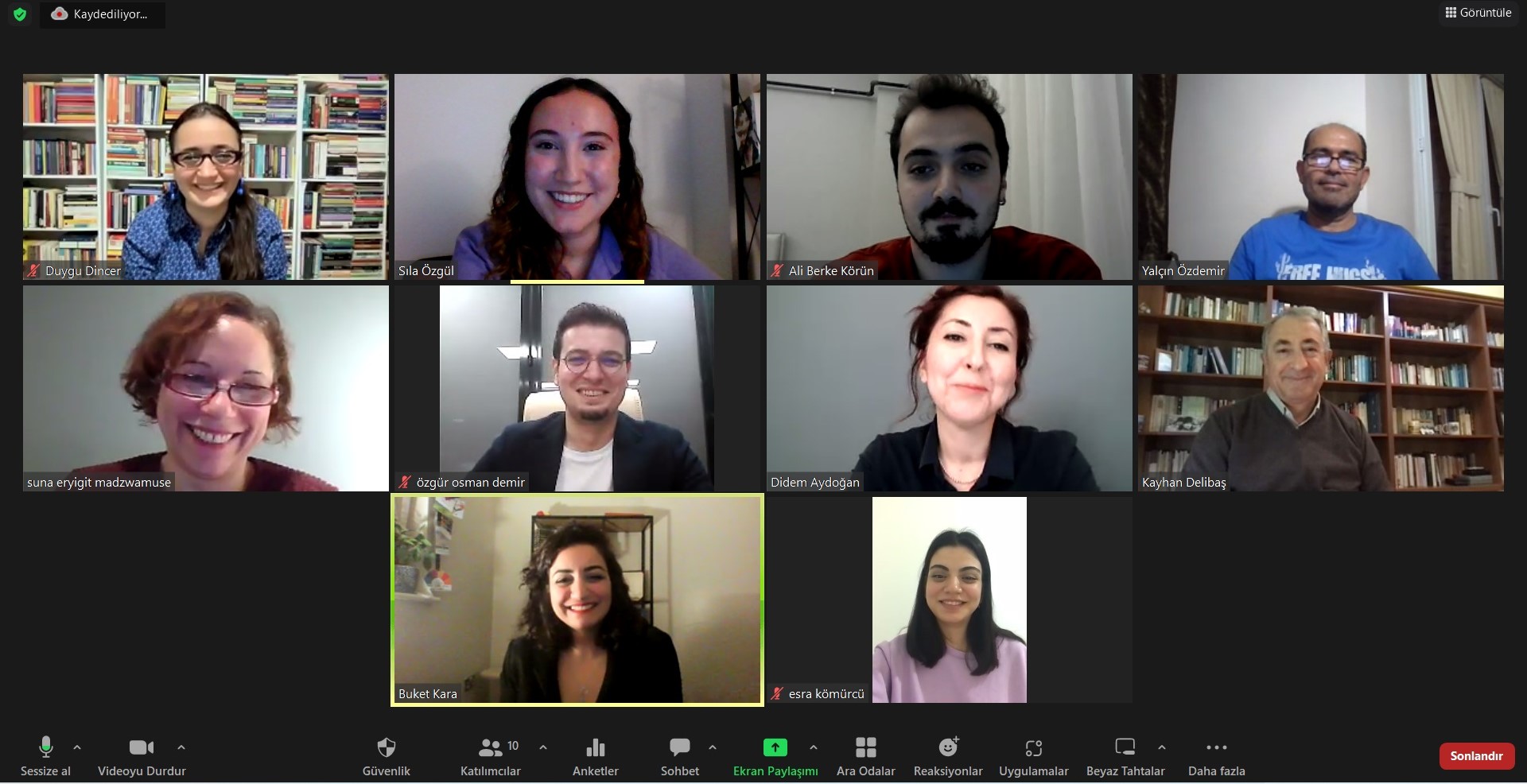
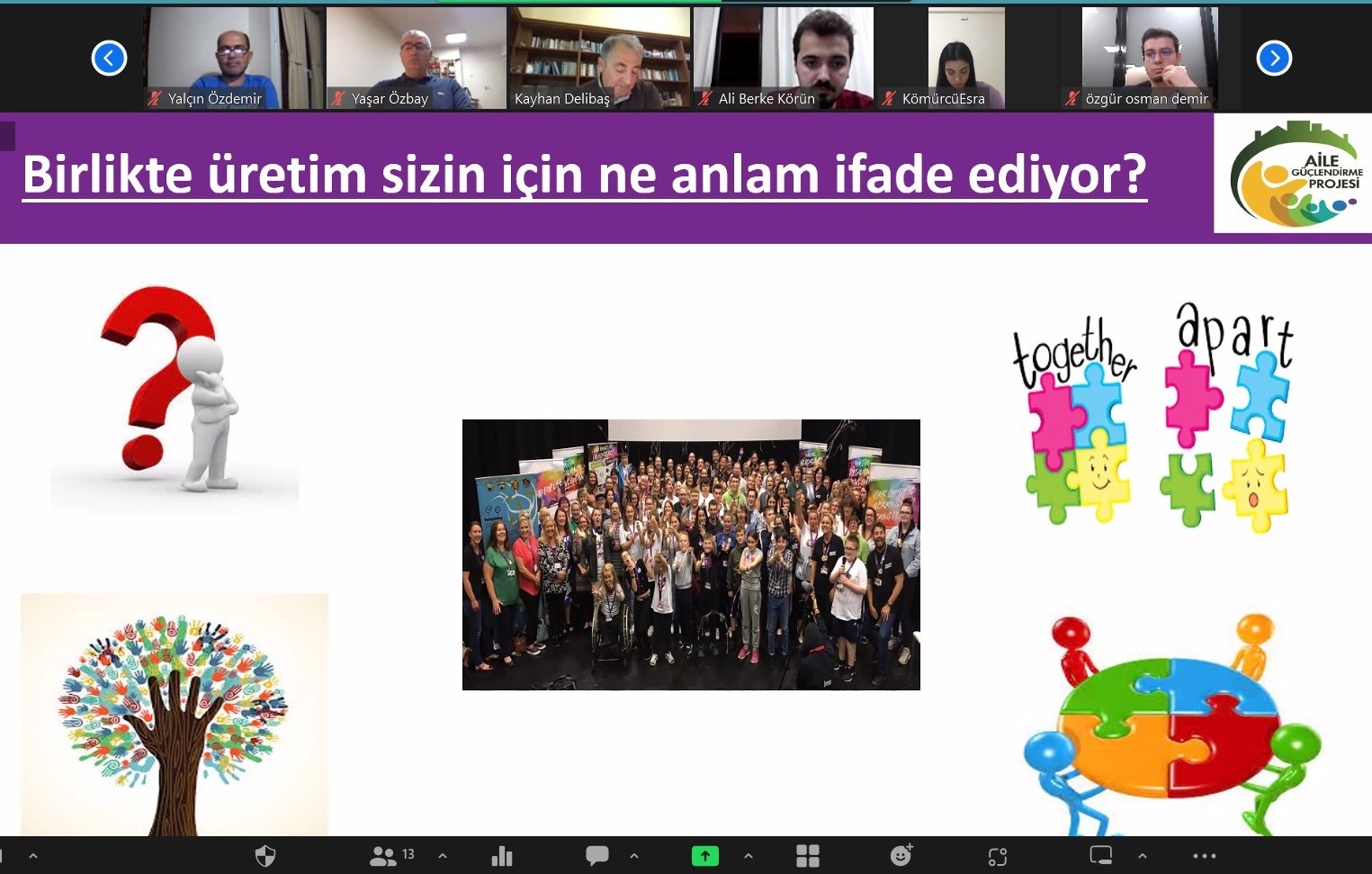
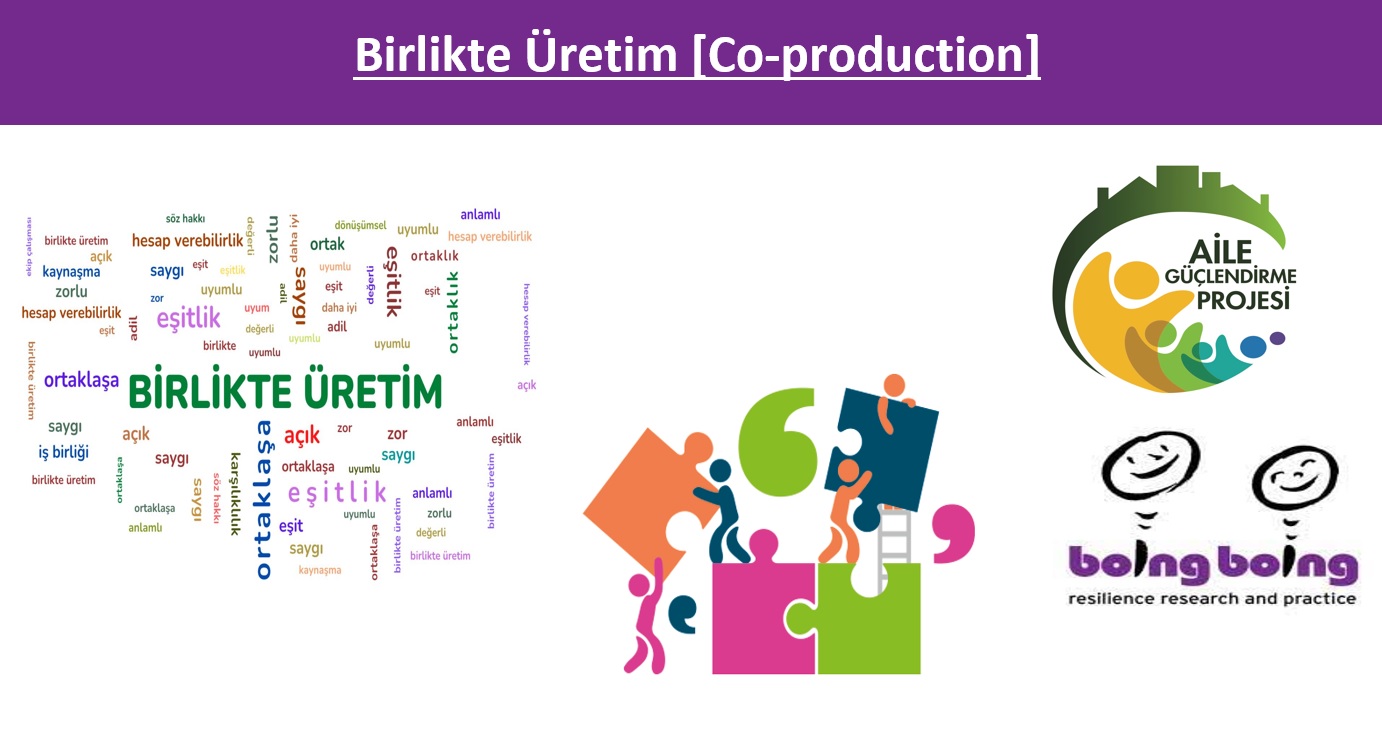
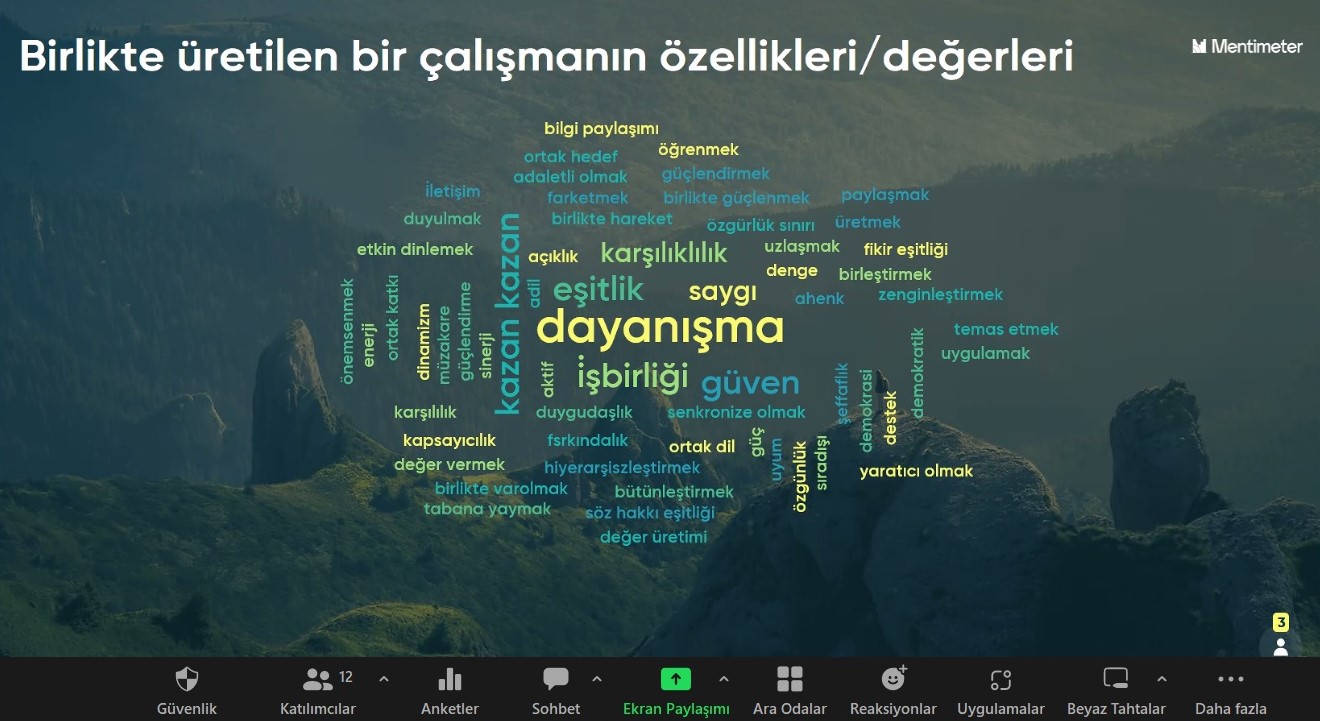
On 16 December 2022, we organized a workshop on the co-production approach that forms the basis of our project with the participation of all Academic Researcher Group members. The workshop was led by Assoc. Prof. Didem Aydoğan, our project coordinator, Assoc. Prof. Suna Eryiğit-Madzwamuse, one of our project advisors, and Dr. Buket Kara from the University of Brighton Centre of Resilience for Social Justice. In the workshop, the concept of co-production, the theoretical foundations of co-production, its principles, its functioning in practice, possible difficulties, and ensuring the participation of actors in the work were shared.
Family Resilience Workshop
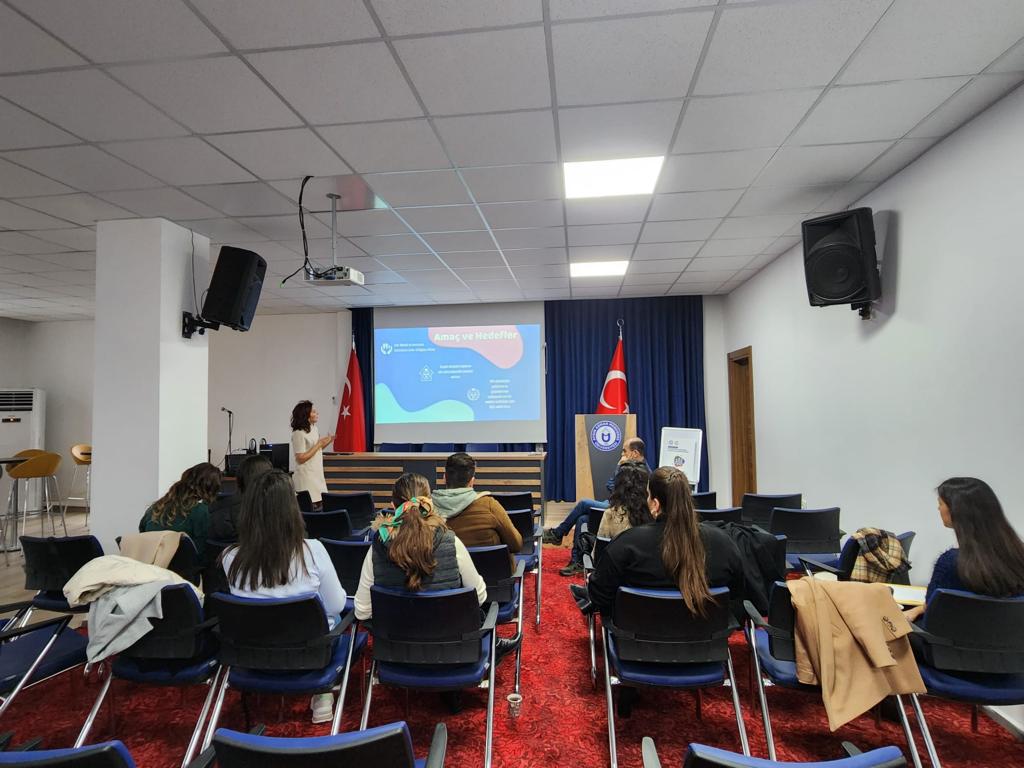
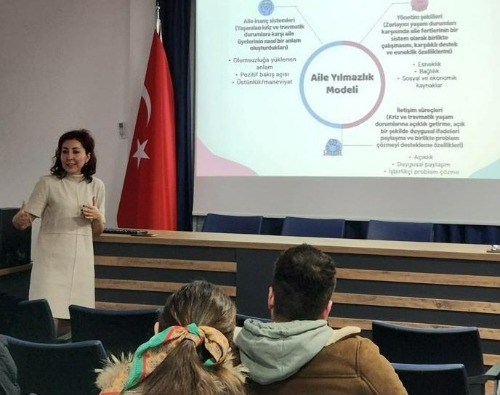
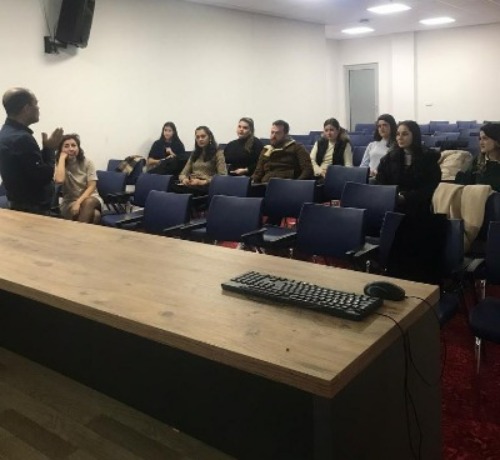
On December 23, 2022, we held a family resilience workshop for the members of the Researcher Practitioner Community. In our workshop, our project coordinator, Assoc. Prof. Dr. Didem Aydoğan, one of our Academic Researcher Community members, Prof. Dr. Yalçın Özdemir, and one of our project fellows, Psk. Counseling. Sıla Özgül took part in their presentations. The presentations focused on the concepts of resilience and family resilience, risk factors and protective factors in family resilience, family resilience models, social-ecological perspective in family resilience, family life cycle, and economic difficulties with an interactive approach
Project Family and Practitioner Actor Meeting
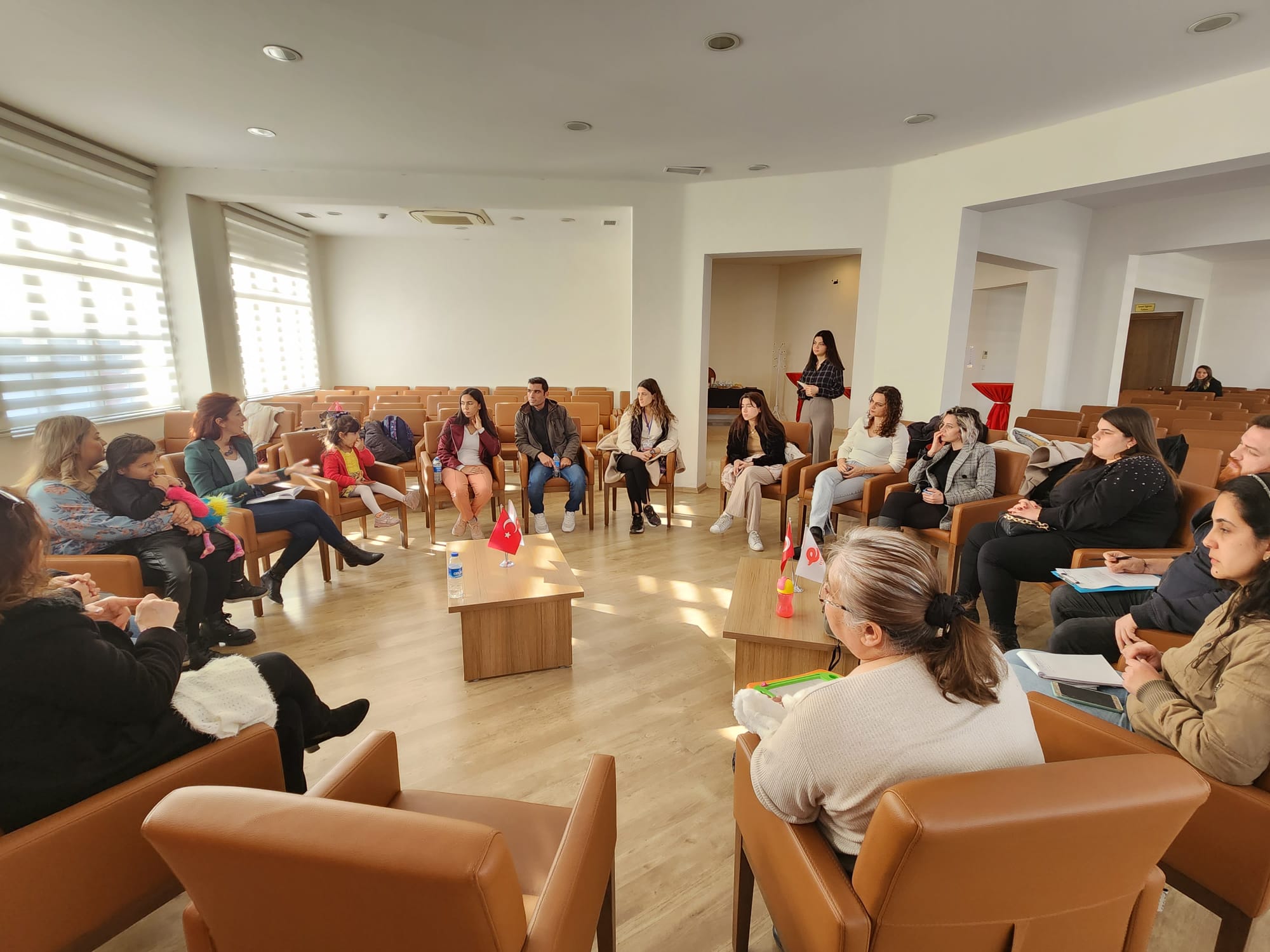
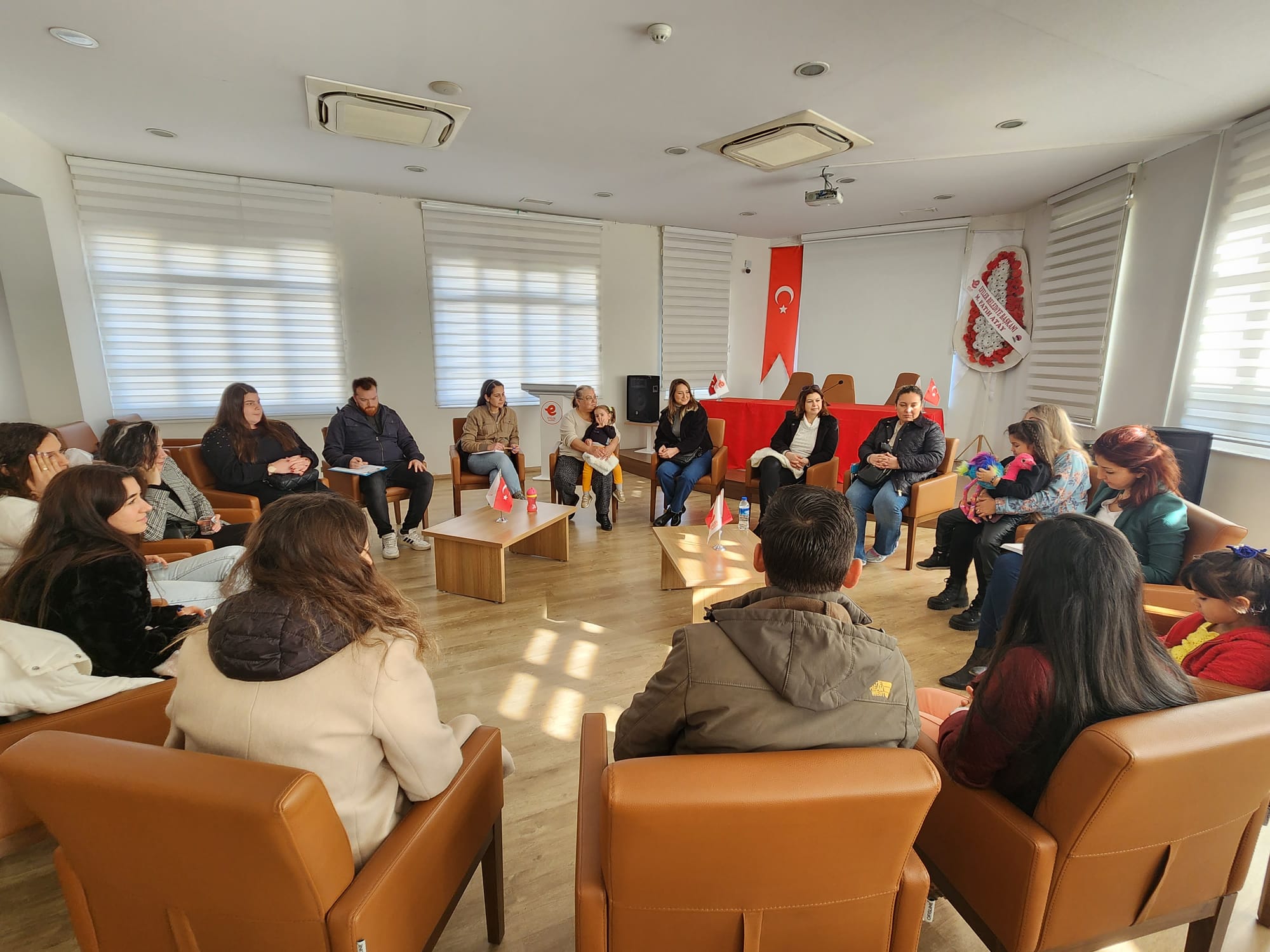
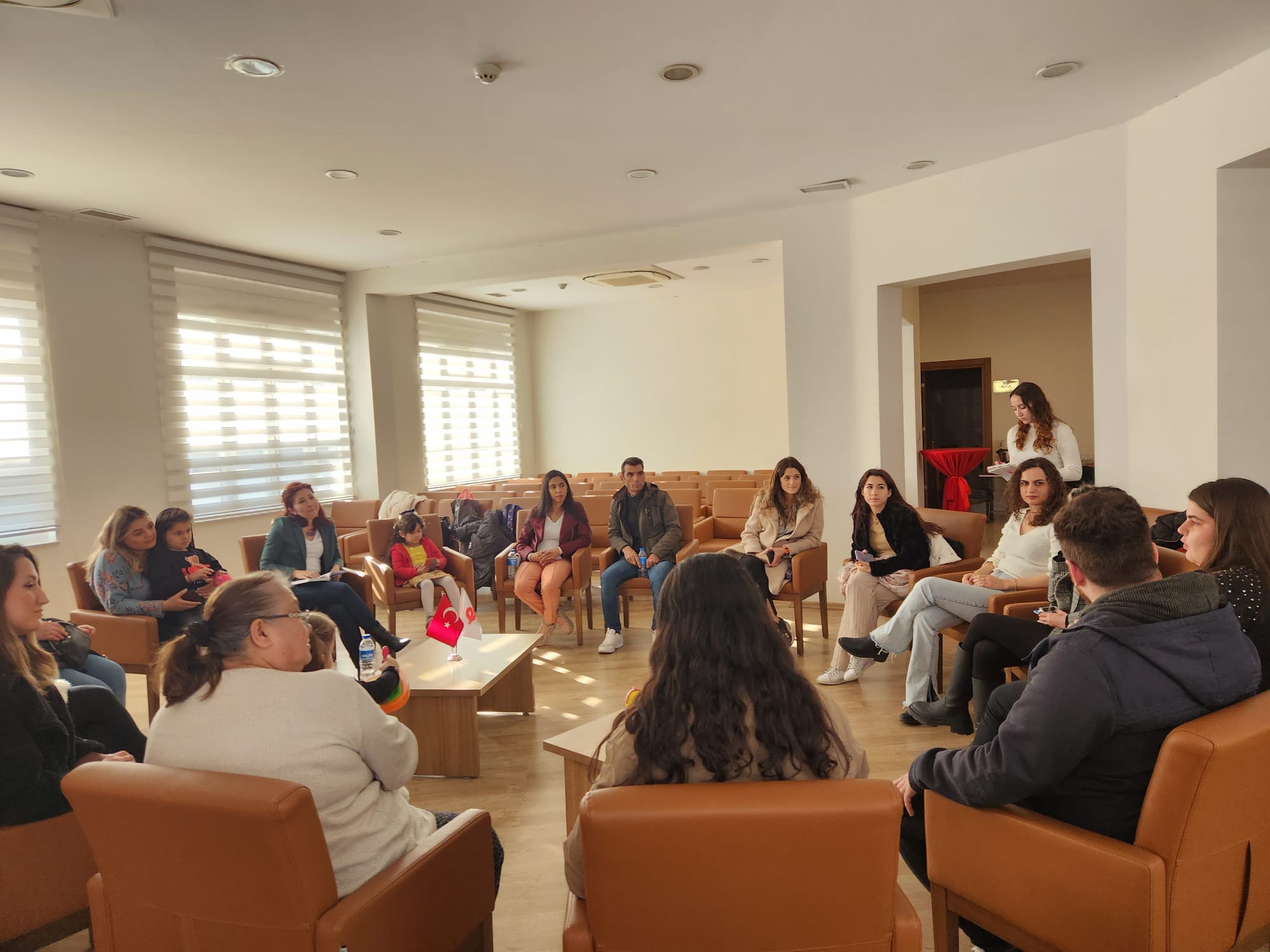
On February 17, 2023, with the participation of the Practitioner Researcher Community and Family Researcher Community members, we came together. We shared about the earthquake disaster that occurred on February 6, 2023, and affected 11 provinces. It is known that social responses to collective traumas such as earthquakes have an essential role in improving the resilience of families and ensuring social resilience in the long term.
The collaborative research approach based on co-production, which underlies our project, is one of the most effective ways to overcome the difficult times we are going through and to ensure family resilience. Together with our actors, including our family members and community practitioners, we evaluated what we could do in the short and long term to overcome these difficult times. This belief in bringing together actors in society and that everyone contributes to the solutions will contribute to social well-being in the long term by ensuring unity and solidarity.
Project Family and Practitioner Actor Meeting-2
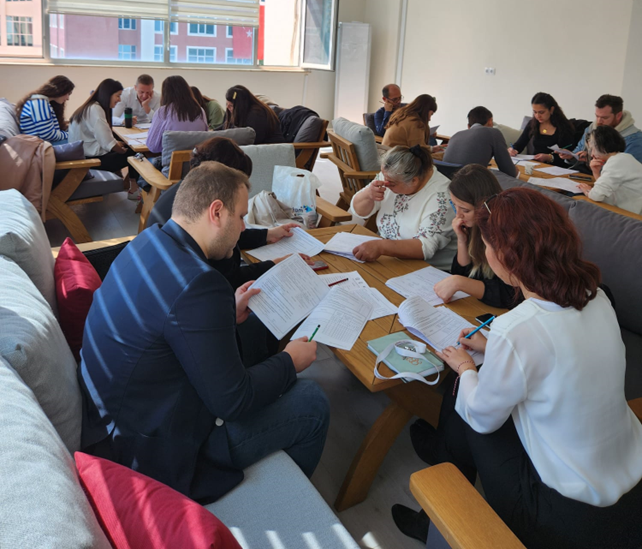
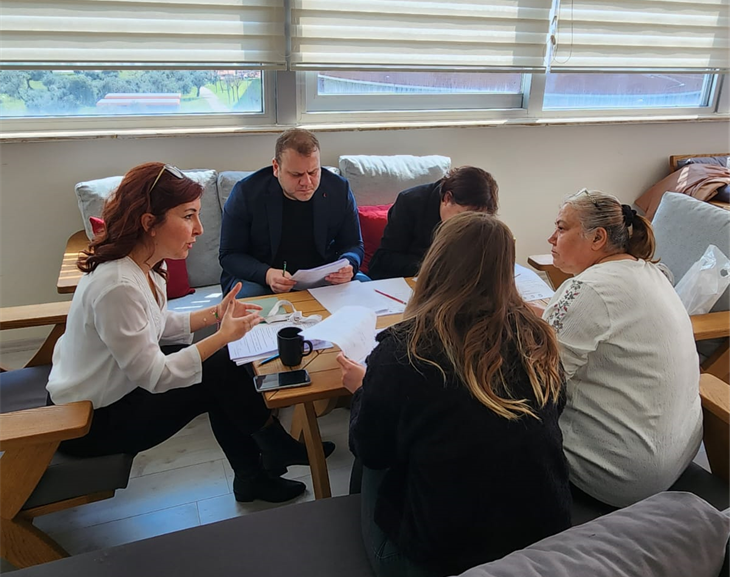
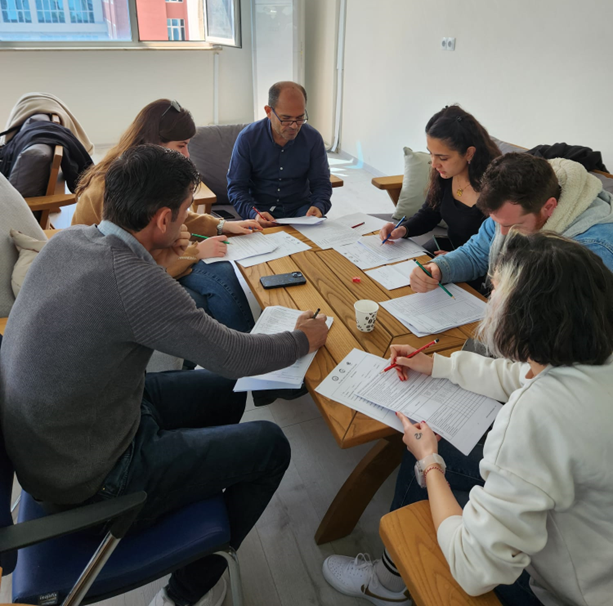
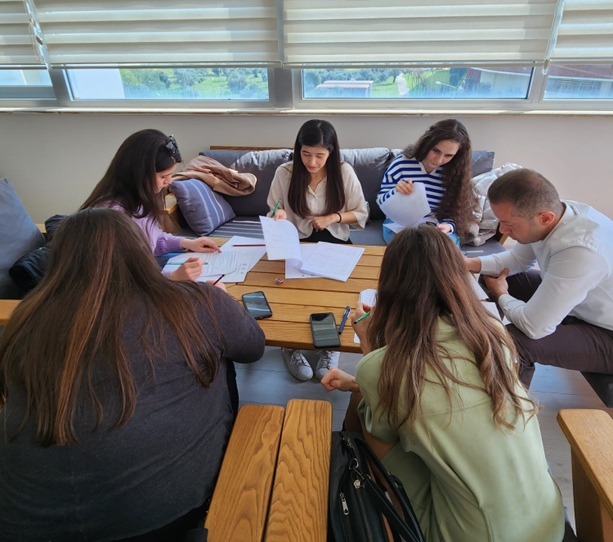
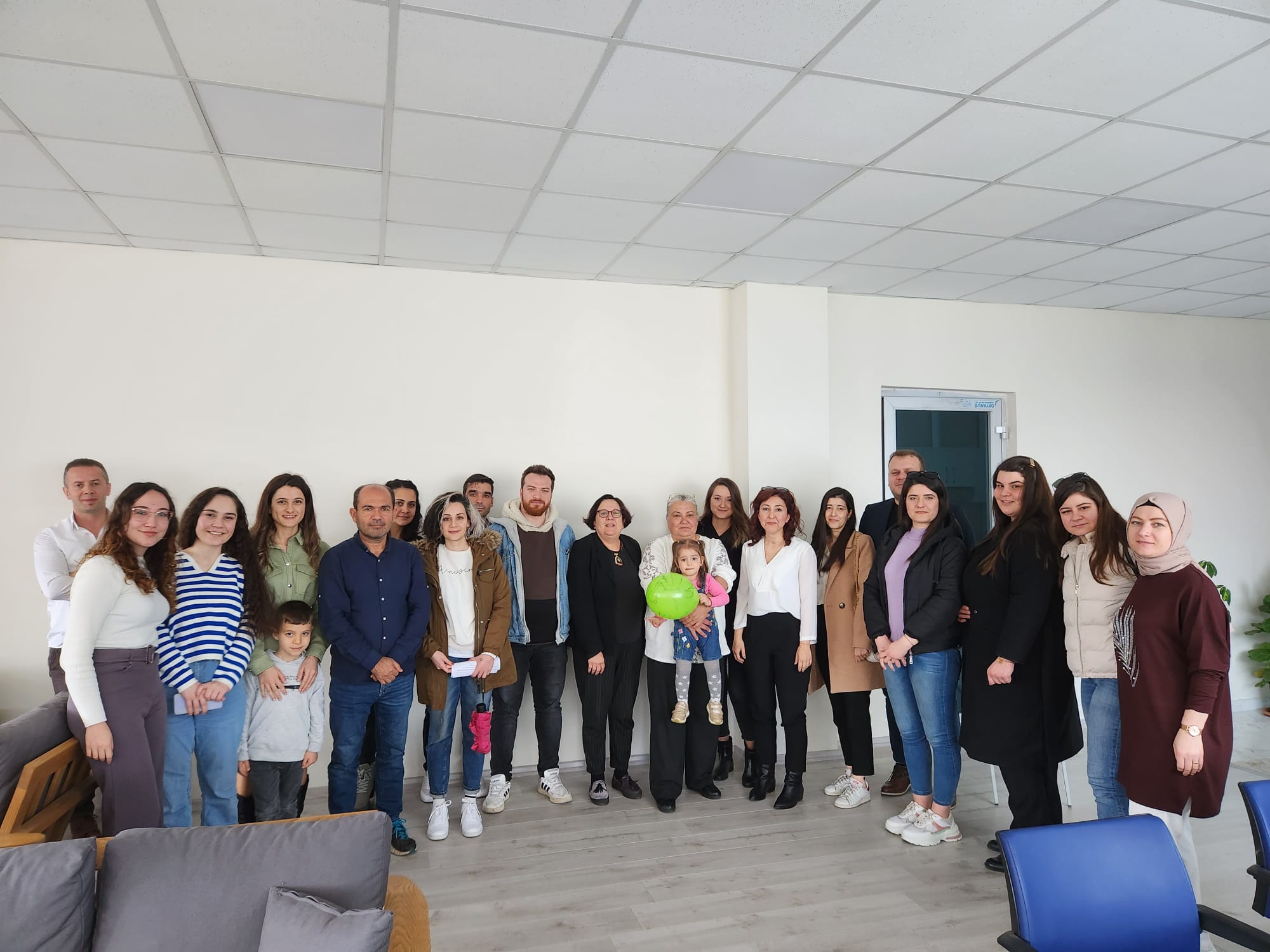
On March 17, 2023, with the participation of the Practitioner Researcher Community and Family Researcher Community members, we came together to get their opinions on the measurement tools we will apply in our project.
Ensuring sustainable social well-being is only possible through ecological system-based studies. The community-based participatory research approach plays an essential role in this social change.
In our project, which is based on a community-based participatory research approach, learning together through cooperation and common sharing with our family community, which we have formed from researchers, practitioners, and volunteer family members, is one of our fundamental principles in co-production.
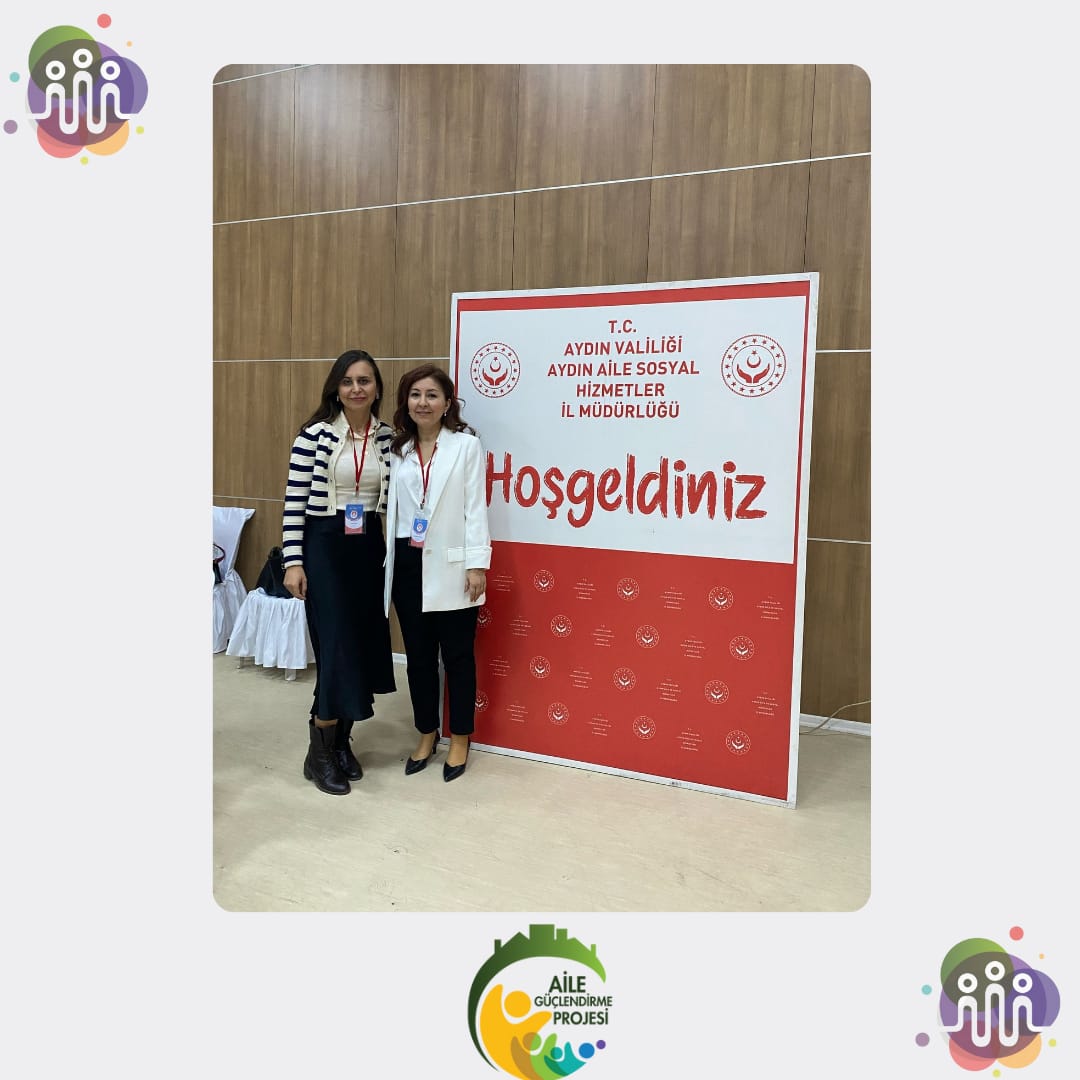
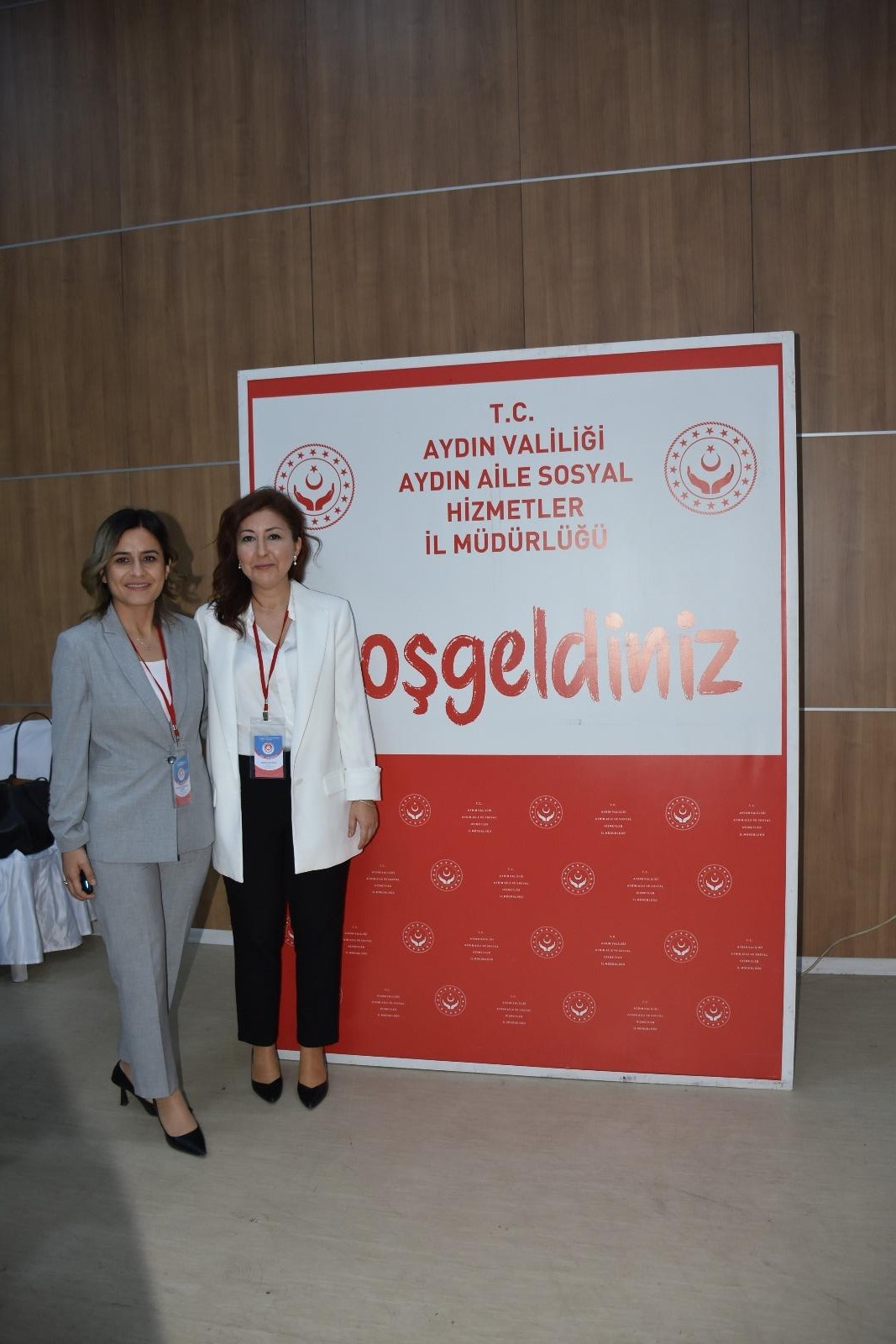
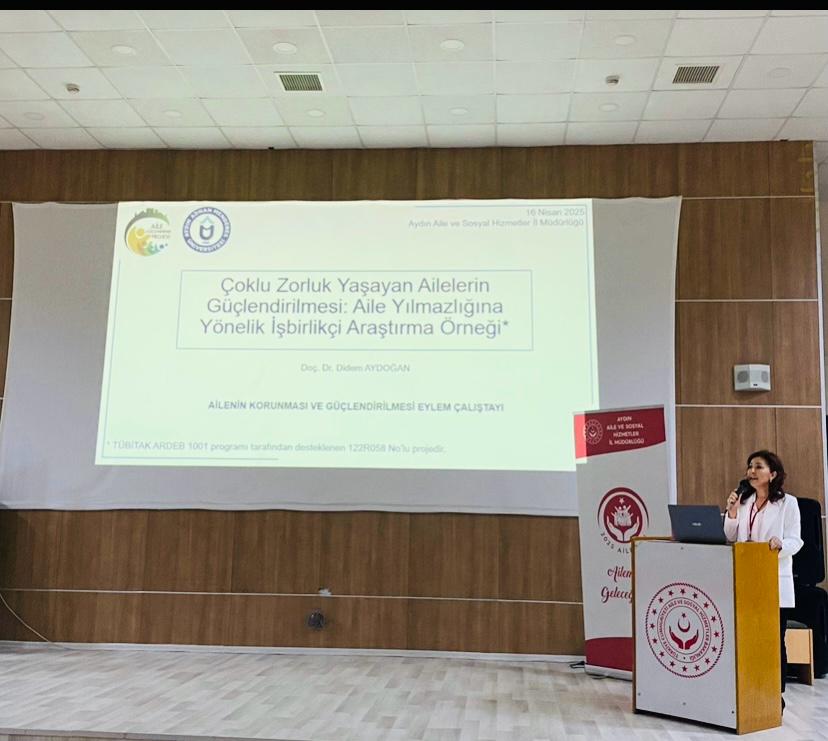
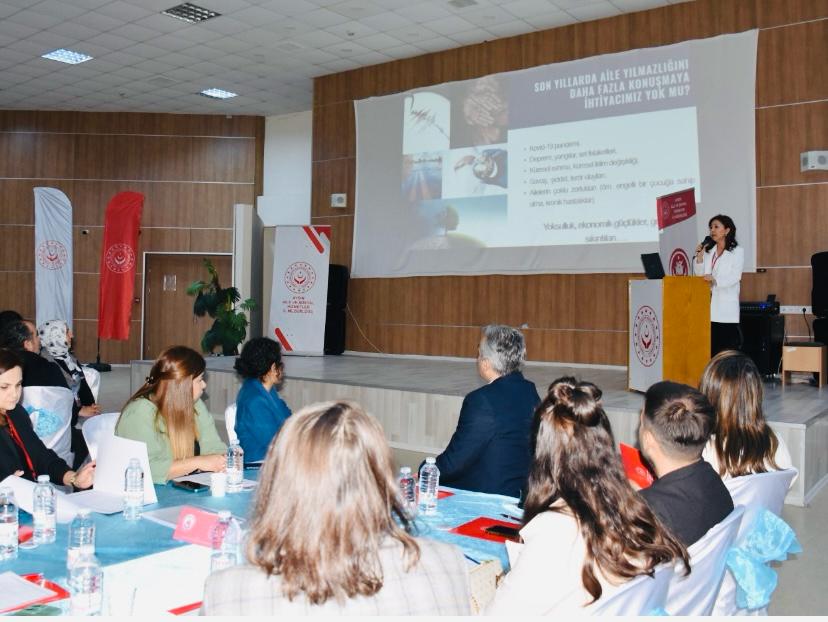
As part of the 2025 Year of the Family activities, Assoc. Prof. Dr. Didem Aydoğan and Research Assistant Seda Eren from our Family Resilience Team participated in the “Family Workshop” organized by the Aydın Provincial Directorate of Family and Social Services.
During the opening session of the workshop, Assoc. Prof. Dr. Didem Aydoğan delivered a comprehensive presentation on the objectives and goals of the project, as well as the developed Holistic Family Resilience Model, Service Model, and Family Life Skills Program. In her presentation, she emphasized that resilience practices based on the socio-ecological framework should aim to strengthen resilience not only through micro-level interventions but also through macro-level implementations. In this context, the Holistic Family Resilience Model serves as a guiding framework for enhancing and promoting family well-being.
In the group work sessions held as part of the workshop, our team contributed to the Family Well-being Development and Family-Focused Education Group by integrating our Family Life Skills Module into the planning and development of family-centered social service practices.